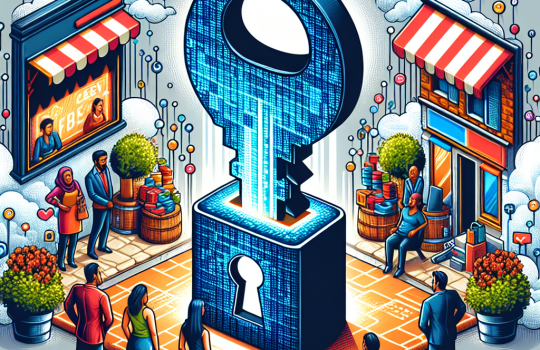
Step into Online Ownership: Why Ready-Made Websites are Trending
In today’s digital age, having a website is essential for businesses and individuals alike. The dilemma often arises whether to build a site from scratch or to opt for a ready-made website. Ready-made sites can range from templates to fully functional platforms that require minimal customization. This article explores both the pros and cons of purchasing a ready-made website.
What is a Ready-Made Website?
A ready-made website is a pre-designed template or platform that allows users to quickly set up their online presence. These websites often come equipped with templates, themes, and features that can be easily adjusted. They are particularly popular among small businesses, freelancers, and entrepreneurs looking to save time and resources.
Pros of Having a Ready-Made Website
1. Cost-Effective
One of the primary benefits of opting for a ready-made website is cost efficiency. Building a custom site can be expensive, often requiring the hiring of web developers and designers. However, ready-made websites usually come at a fraction of the cost, making them an attractive option for startups and small businesses.
2. Time-Saving
Creating a custom website from scratch can take weeks or even months. Ready-made websites can be launched in a matter of hours or days. This is particularly advantageous for entrepreneurs who are eager to establish their online presence quickly.
3. User-Friendly
Many ready-made websites offer user-friendly interfaces, allowing even those with minimal technical skills to manage content. Most platforms provide drag-and-drop functionality, enabling users to customize layouts without needing coding knowledge.
4. Built-in Features
Ready-made websites often come equipped with built-in features such as SEO tools, analytics, and e-commerce functionalities. These features eliminate the need for additional plugins or services, making it easier to manage everything from one dashboard.
5. Responsive Design
Most ready-made websites are designed to be responsive, meaning they can adapt to various screen sizes and devices. This is crucial in today’s mobile-centric world, where a significant amount of web traffic comes from smartphones and tablets.
6. Regular Updates and Support
Many providers of ready-made websites offer ongoing updates and customer support, ensuring that your website remains functional and secure. This can alleviate the technical burden from users and allow them to focus on their business.
7. Scalability
Ready-made websites can easily accommodate the growth of a business. As needs evolve, users can often upgrade their plans or add features without the hassle of redeveloping their websites from scratch.
Cons of Having a Ready-Made Website
1. Limited Customization
While ready-made websites offer templates and themes, they often come with limitations on customization. Users might find it challenging to achieve a unique look or functionality, which can lead to a less distinctive online presence.
2. Template Restrictions
Many ready-made websites come with specific templates that may not fully reflect the brand’s identity. If the chosen template is popular among other users, your website may look similar to many others, making it harder to stand out.
3. Potential Security Risks
Ready-made websites may be more susceptible to attacks, especially if the platform is widely used. Hackers often target popular platforms to exploit vulnerabilities. Users must ensure they choose a reputable provider that offers security features.
4. Performance Issues
Some ready-made websites may experience performance issues due to a lack of optimization. Heavy themes and numerous built-in features can slow down load times, adversely affecting user experience and SEO rankings.
5. Ownership and Control
With ready-made websites, users often have limited control over their content and data. This can be an issue if the service provider goes out of business or changes its policies, which could lead to lost data or unexpected costs.
6. Dependence on Third-party Services
Many ready-made websites rely on third-party plugins and services for essential functionalities. If these services experience downtime or see major changes, it could directly affect the performance and usability of your website.
7. Hidden Costs
While ready-made websites may seem cost-effective initially, there can be hidden costs associated with premium features, ongoing subscriptions, or transaction fees for e-commerce capabilities. It’s important to read the fine print and understand the total cost of ownership.
Conclusion
A ready-made website can be a fantastic solution for many different needs, particularly for those who want an affordable, user-friendly, and time-efficient way to establish an online presence. However, it’s vital to weigh the pros and cons carefully. By understanding both sides, users can make a more informed decision that aligns with their business requirements and online goals. Whether you choose a ready-made option or a custom-built website ultimately depends on your unique circumstances, technical skills, and long-term objectives.