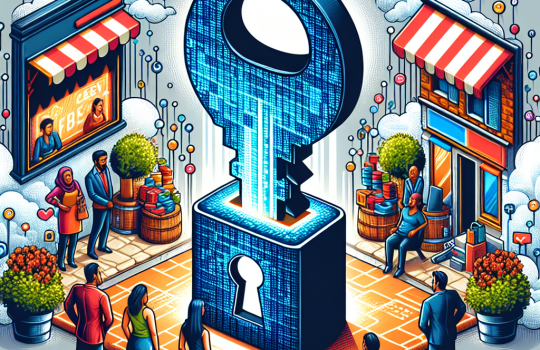
In today’s digital landscape, having an online presence is essential for individuals and businesses alike. A ready-made website can serve as a convenient solution for establishing that presence. However, like any decision, opting for a ready-made website comes with its distinct advantages and disadvantages. This article will delve into the pros and cons of using a ready-made website.
What is a Ready-Made Website?
A ready-made website is a pre-designed website that can be purchased and customized to fit specific needs. These websites are typically built on platforms like WordPress, Wix, or Shopify, and they come with various templates and features that facilitate user customization.
Pros of Having a Ready-Made Website
-
1. Cost-Efficient
Ready-made websites are often more affordable than custom-built websites. The initial investment is lower, making it more accessible for startups and small businesses that may have budget constraints.
-
2. Quick Setup
One of the most significant advantages is the speed at which a ready-made website can be set up. Unlike custom sites that may take weeks or months to develop, a ready-made site can be up and running in a matter of days or even hours.
-
3. User-Friendly
Most ready-made websites are designed with user-friendliness in mind. They often include intuitive interfaces and straightforward navigation, making it easy for individuals with no technical skills to manage the site.
-
4. Built-In Features
Ready-made websites often come with a variety of built-in features, such as contact forms, SEO tools, and eCommerce capabilities. This convenience allows users to focus on content rather than complex technical tasks.
-
5. Template Variety
There is a vast range of templates available for different industries and purposes. Users can choose a design that aligns with their brand and customize it as needed, allowing for flexibility and creativity.
-
6. Regular Updates
Many ready-made website providers offer regular updates and support, which helps keep the website secure and up-to-date with trends and technologies.
-
7. Responsive Design
Most ready-made sites are created with responsive design principles, ensuring that they look good on various devices, including smartphones and tablets.
Cons of Having a Ready-Made Website
-
1. Limited Customization
While ready-made websites offer customization options, they can be limited compared to custom sites. Users may find themselves constrained by the templates and functionalities provided.
-
2. Potential for Generic Design
A downside is that many ready-made websites can look similar, as multiple users may select the same template. This similarity can dilute brand identity.
-
3. Dependency on Third-Party Platforms
Most ready-made websites are built on third-party platforms that you do not control. Any changes made by the platform provider can affect your website and its functionalities.
-
4. Limited Scalability
If your business grows, a ready-made website might not be able to scale with your needs. Transitioning to a more robust, custom solution can be a complicated and expensive process.
-
5. SEO Limitations
SEO features on ready-made sites might not be as comprehensive as those on custom-built sites. This can affect online visibility and ranking on search engines.
-
6. Ongoing Costs
While the initial costs may be low, users may incur ongoing costs for hosting, plugins, and premium features that can add up over time.
-
7. Security Vulnerabilities
Ready-made websites can be more vulnerable to hacks, especially if they are frequently used by others. Regular updates are necessary to ensure that they remain secure, but users must stay vigilant.
Making the Right Choice
Deciding whether to go for a ready-made website or a custom-built one hinges on a few key considerations:
- Your Budget: If you’re working with limited funds, a ready-made website might initially be your best bet.
- Time Constraints: When time is of the essence, ready-made websites allow you to launch quickly.
- Technical Skills: If you lack technical expertise, a ready-made site often provides easier management.
- Future Growth: If you anticipate significant growth, consider how well a ready-made site can accommodate expanding needs.
Conclusion
A ready-made website can be a fantastic solution for many users, combining convenience, affordability, and ease of use. However, it’s essential to weigh the limitations against the benefits. Depending on your specific needs and future goals, a ready-made website could be an excellent starting point or a stepping stone to something more tailored. Always assess your situation carefully to ensure the best outcome for your online presence.