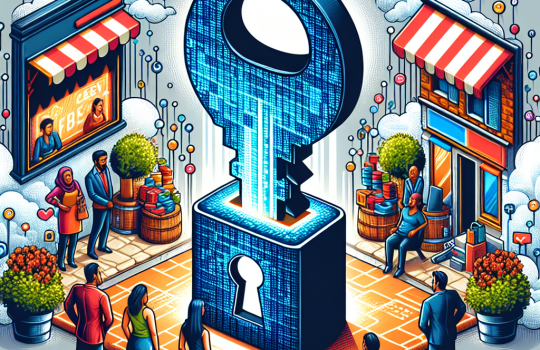
Unlock Success: The Benefits of Turnkey Websites for Entrepreneurs
In today’s digital age, having an online presence is vital for individuals and businesses alike. The advent of technology has simplified the process of establishing a website, making it easier for anyone to launch their online presence. One popular option is ready-made websites, which offer pre-designed templates and structures. However, like any solution, these come with their own set of benefits and drawbacks. In this article, we will explore the pros and cons of having a ready-made website.
What is a Ready-Made Website?
A ready-made website is a pre-designed website that can be customized and launched quickly. These websites are often created for specific niches or purposes, allowing users to fill in their own content while using a professional layout and design. Platforms such as WordPress, Wix, and Shopify have significantly contributed to the popularity of ready-made websites by providing users with user-friendly tools and templates.
Pros of Having a Ready-Made Website
1. Cost-Effective
One of the most significant benefits of choosing a ready-made website is the cost savings. Custom website development can be expensive, requiring hiring web designers, developers, and other professionals. In contrast, ready-made websites are usually more affordable and sometimes even free. This makes them accessible for small businesses, freelancers, or individuals on a tight budget.
2. Quick Setup
A ready-made website allows users to establish their online presence quickly. Many platforms offer easy installation processes, often requiring users to simply fill in their information and select a template. This rapid setup can be especially advantageous for entrepreneurs who need to launch their websites promptly to capitalize on market opportunities.
3. No Technical Skills Required
With a ready-made website, users don’t need extensive technical knowledge to get started. The majority of platforms focus on user-friendliness, implementing drag-and-drop features that simplify the process of site building. Even those with minimal technical skills can create a visually appealing website without needing to know coding languages.
4. Professional Design
Ready-made websites often come with professionally designed templates that can make a strong impression. Users can choose from various styles that can be tailored to their brand or personal aesthetic. Quality design not only enhances usability but also builds credibility and trust with visitors.
5. Built-In Features and Functionality
Many ready-made websites come equipped with built-in features such as SEO tools, e-commerce capabilities, and analytics. This can simplify the process of optimizing your site for search engines or setting up an online store, allowing you to focus more on generating content and engaging with your audience.
6. Ongoing Support and Updates
Most platforms that provide ready-made websites offer ongoing support and regular updates. This ensures that your website remains secure and functional, helping you to avoid common pitfalls associated with outdated software. Access to customer support can assist users in troubleshooting issues as they arise.
7. Scalability
Some ready-made website platforms allow for scalability. Users can start with a basic website and later upgrade their plans to include more features as their needs grow. This flexibility can help businesses adapt to changing circumstances without starting from scratch.
Cons of Having a Ready-Made Website
1. Limited Customization
While ready-made websites offer a range of templates, they often have limitations when it comes to customization. Users may find it challenging to implement unique branding elements or specific functionalities that are not supported by the platform. This could hinder a business’s ability to differentiate itself from competitors.
2. Dependency on a Third Party
By using a ready-made website, users are often at the mercy of the platform’s policies, uptime, and updates. If the service provider experiences outages or chooses to discontinue features, this can directly affect your site and business operations.
3. Potentially Higher Long-Term Costs
Though ready-made websites can be cheaper upfront, ongoing costs for premium features, additional storage, or advanced functionalities can add up over time. Users might find themselves paying more in the long run compared to a one-time investment in a custom website.
4. SEO Limitations
Many ready-made websites come with pre-structured layouts that might not be fully optimized for search engines. Users may encounter limitations in terms of keyword placements or URL structures that could make achieving optimal SEO performance more challenging.
5. Slower Load Times
Ready-made websites can suffer from slower load times due to their generic nature and the amount of code they carry. Fast loading times are crucial for retaining visitors, as slow performance can lead to high bounce rates. Custom-built websites tend to have leaner code, which can enhance load times.
6. Generic Design
While professional, the templates used in ready-made websites can lead to a generic look, not standing out from the competition. Many websites may end up looking very similar, diluting brand identity and potentially making it difficult for businesses to resonate with their target audience.
7. Security Risks
Using a ready-made website often involves shared hosting environments, which may expose users to security risks. With multiple sites on the same server, a security breach can impact other sites if not adequately secured. Custom-built websites often incorporate advanced security features that offer enhanced protection.
Conclusion
In conclusion, choosing a ready-made website comes with a myriad of advantages and disadvantages. Businesses and individuals must weigh the benefits of cost-effectiveness, quick setup, and professional design against the limitations of customization, dependency on third parties, and potential long-term costs. Before diving into a decision, it’s essential to consider specific needs, growth plans, and resource availability to determine whether a ready-made website aligns with one’s objectives.
While a ready-made website might be a suitable choice for some, others may find that investing in a custom-built site better serves their intentions in the long run. Understanding these factors can help users make informed decisions and ensure a successful online presence.